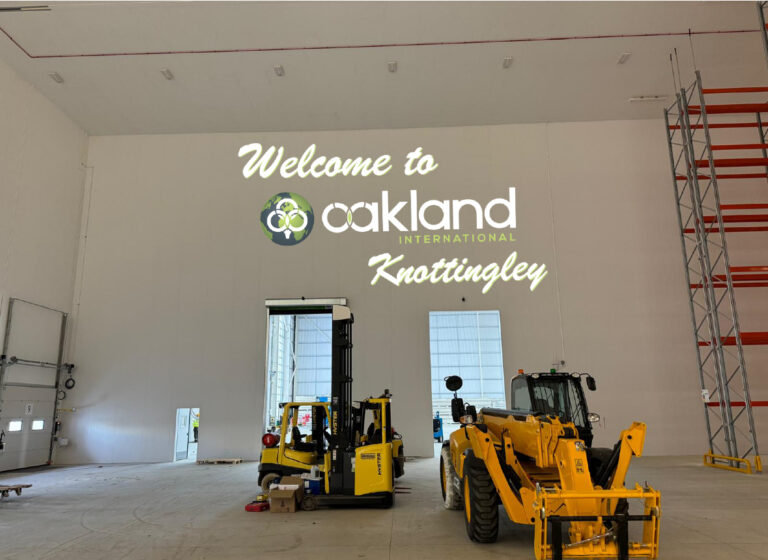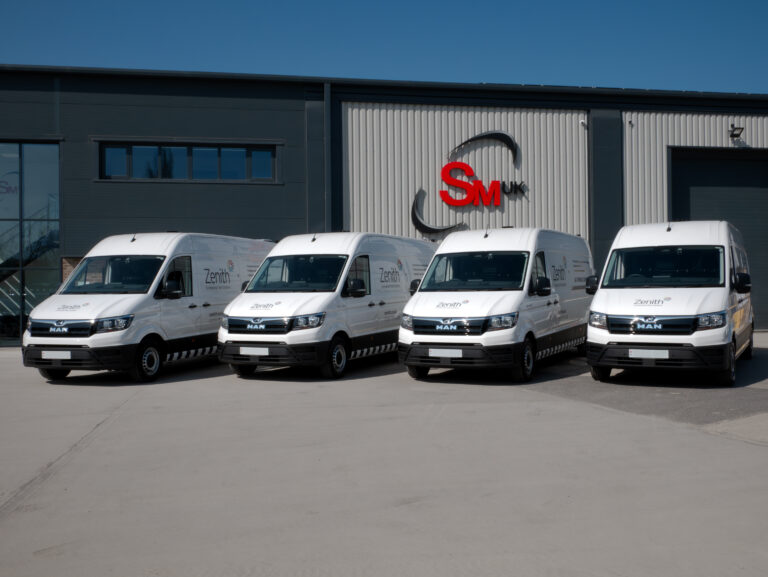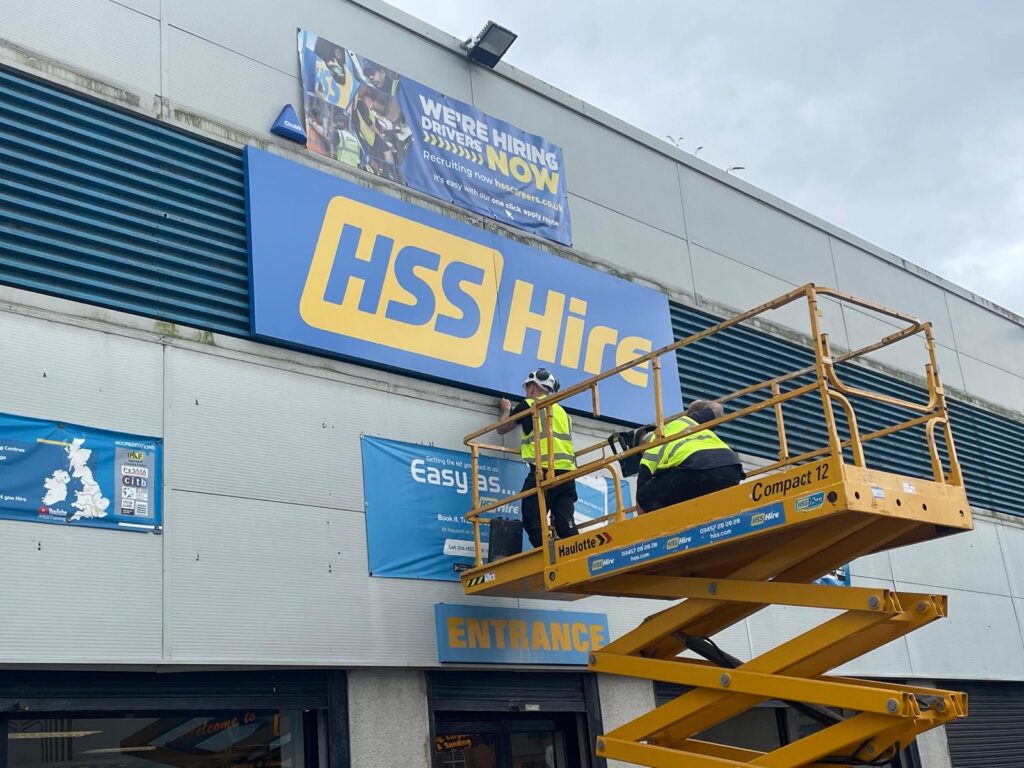
Branding and signage are a huge part of showcasing your business and targeting the right customer profile. Branding is a core element of your marketing strategy and can be developed and utilised in many different ways, while signage has become an increasingly important part of this, particularly with innovative techniques such as building wraps and illuminated signage.
In this guide we will highlight some of the most effective signage options available and help you decide which might be the best ones for your business. And this starts with understanding what you want from business signage.
Understanding your objectives
There are common, core objectives behind business signage which typically apply to any business, regardless of size or industry sector. These include:
- Increasing brand visibility – Signage acts as a passive salesperson to increase brand recognition in key locations and to familiarise a customer base with your name, logo and message.
- Build trust – High-quality signage using professional design, materials and techniques helps consumers gain trust in your brand and positively influences their perception of you.
- Stand out – Signage differentiates you from your competitors and helps you stand out in a competitive market sector.
- Conversions – Seeing your brand helps to drive foot traffic and conversions by bridging the gap between social media or online presence and a local, physical presence.
Signage helps you achieve these objectives, and the right kind of signage will drive how effectively this works for your business, so let’s now look at some of the different options available.
External vs internal signage
External signage is ideal for drawing in passing footfall and announcing a new location, and hence it creates a good first impression. Options include large fascia signs, building wraps, entrance signs or window graphics. You need to consider specific challenges such as impacts caused by the weather or obstructions in a specific location, or whether there are local planning restrictions which might dictate what you can or can’t do.
Internal signs are more useful for helping people navigate through a store or building, or to communicate key messages, and hence are less about first impressions as people are already physically connected with you. Examples include reception messaging, wayfinding signs, room or zone identification or wall graphics. You need to consider spatial aesthetics with internal signs and how easy they are to read in a busy environment, and hence graphic design is more important than the physical design and durability elements you need to get right with external signage.
Directional signage and wayfinding
Directional signage, also known as wayfinding signage, helps visitors, customers and employees navigate business premises safely and efficiently. It is particularly useful in larger environments such as office buildings, retail parks, healthcare facilities, educational establishments and warehouses.
Examples include entrance and exit signs, internal directional signs, car park signage and signs directing people towards reception areas, meeting rooms or specific departments.
Effective directional signage should be clear, easy to read and consistently positioned to help people find their way around. It can also incorporate corporate colours, logos and branding to create a cohesive look while serving an important practical purpose.
Illuminated vs non-illuminated signs
Illuminated signs obviously create great visibility and are ideal for modern, fashionable businesses wanting to make a big impression. Important elements to consider here include:
- Visibility – Illuminated signs will remain visible whatever the time of day or the weather, while non-illuminated signs can sometimes be harder to see, they rely on daylight to be effective but can benefit from streetlights in the right location.
- Cost and value – There will be higher upfront and ongoing costs to illuminated signs due to installation, wiring and power, but they may last longer and look better for longer. Non-illuminated signs will be more cost-effective and could be made from materials such as aluminium or vinyl wrap. These are much cheaper but less visible and may not last as long.
- Planning – Illuminated signs may require planning consent plus there can be complications with electrical supply, while non-illuminated signs typically only experience planning impacts if the signs are above a certain size or in sensitive locations.
- Brand visibility – Illuminated signs help to project a more contemporary and dynamic identity on prime traffic routes and which potentially reaches a premium, nighttime audience. You might opt for a non-illuminated sign if you rely on daytime business and passing pedestrian footfall only.
Retail vs office requirements
Another interesting comparison to make is assessing the different needs of office-based businesses and retail spaces. These are both popular types of businesses often with a visible high street presence, but their signage needs and objectives differ significantly. Office environments use signs to project a corporate identity, for compliance or for internal directions. Examples would be reception and lobby signs, wayfinding signs and door and office nameplates, however, the design tone is generally understated and professional.
Signs for retail organisations are more about grabbing attention and driving immediate footfall, or for promotions and product or service pricing. For this reason, the design tone is much bolder with high-contrast fonts and engaging imagery which may integrate with wider advertising or social media campaigns. Examples include shopfront and illuminated signs, sales banners and aisle markers or floor stickers.
Signage considerations for multi-site businesses
Where a business has multiple sites, signage is more likely to come from a strategic corporate approach which aligns with the branding activities of the business. There will also be physical and functional needs specific to each site which must be adapted to and hence, flexibility is required within this strategy. We can look at these two areas in more detail for multi-site businesses:
– Strategy – This will require an asset inventory of locations and signage needs across all sites. This should then be cross-referenced against brand and signage guidelines so that there is consistency in messaging and branding visuals.
– Flexibility – Within the above guidelines there will need to be some flexibility in signage formats, such as size, type and materials, and these can be adapted to suit different building needs, such as internal/external signs and whether signage is to direct footfall or to attract footfall. Multi-site signage may also need to adapt in terms of tone, depending on the type of messaging being made. Signage for multi-site businesses may also face different challenges in terms of planning and visibility obstacles, so a flexible approach within the confines of a corporate strategy may be necessary.
Budget and lifespan considerations
Any investment in signage must demonstrate some return on the investment, and hence there are important considerations around the lifespan of the signage, the goals and objectives of the signage and the physical environment the signage is located in. It is important to think about replacement costs when weighing up budget considerations, and equally, if signage is only going to be temporary, are there any compromises on cost which fit in with this objective and still meet the criteria on quality?
When thinking about budgeting and lifespan, we need to consider short, medium and long-term signage needs and what material and quality outlay can be justified. You also need to factor in potential hidden costs in some cases, such as site surveys, planning delays or electrical installations.
High-quality business signage from Transfer Branding
At Transfer Branding we have a wide range of exciting options for business signage, from high visual building wraps to wayfinding systems and internal signage. We have worked with a wide variety of businesses in different sectors and with different branding objectives, but our skill and expertise will always find the right results for you, so get in touch to request a signage quote today.