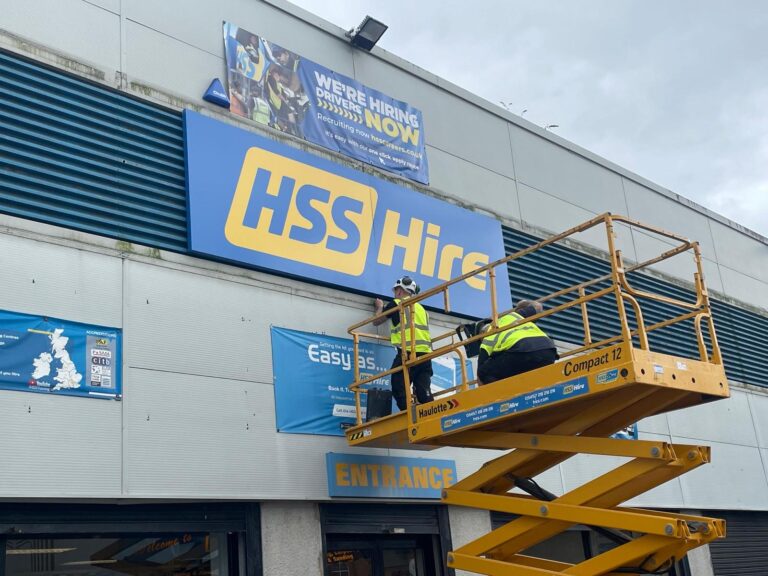
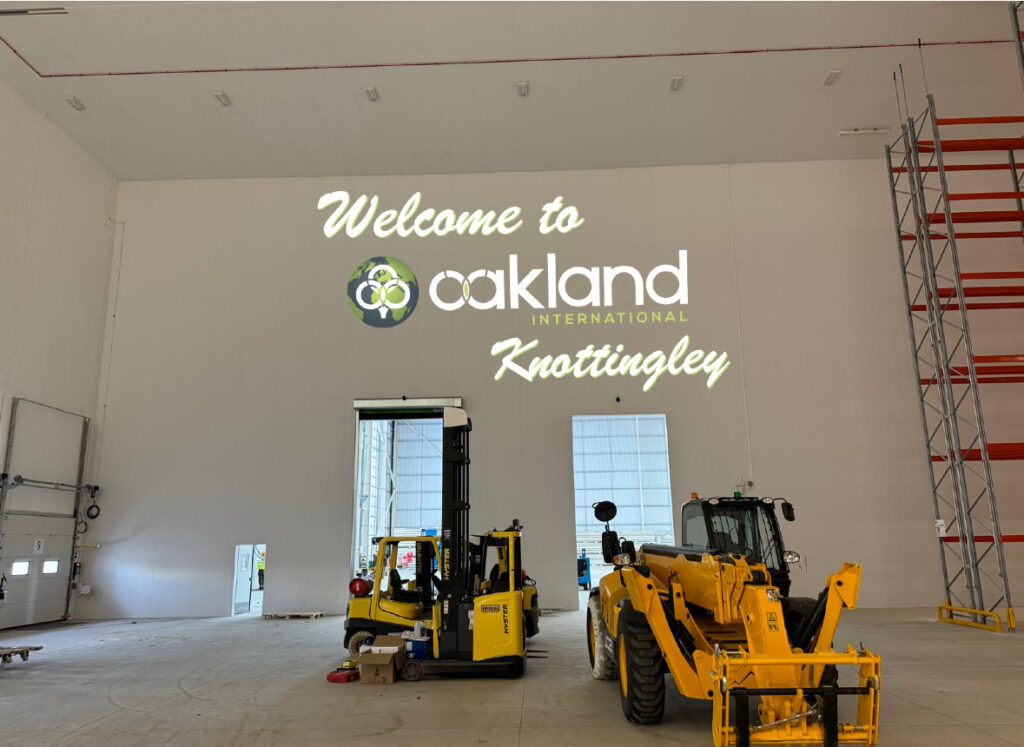
At Transfer Branding, we believe great signage does more than display your business name – it builds brand recognition, attracts attention and helps businesses make a lasting impression. From eye-catching external signage and illuminated displays to large-scale building wraps, we provide professional signage solutions designed to bring brands to life and maximise their visibility. As a commercial signage company, we understand how important it is to get the design, location and installation right.
Our Signage Expertise and Experience
With experience in the design, production and installation of commercial signage, we understand that every project comes with its own opportunities and considerations. Choosing the right materials, understanding the installation environment and ensuring your signage is suitable for its location are all essential parts of getting the best results.
One question we regularly encounter is whether commercial signage requires planning permission or advertisement consent. It’s an important consideration, and one that is best addressed before committing to a design or installation. Certain signs can be displayed without formal approval, while others may require consent depending on their size, position, illumination, location and the type of building involved.
Transfer Branding understands the whole signage process, not simply the manufacture and installation; our expertise and knowledge mean we take a holistic approach to your requirements so that your peace of mind is guaranteed.
In this guide, we explain when planning permission or advertisement consent may be needed, explore some of the key considerations for different types of signage and highlight why careful planning is essential to a successful project.*
When Is Planning Permission Required?
Not all commercial signage requires formal approval. Many standard, non-illuminated fascia signs and projecting signs benefit from what is known as ‘deemed consent’ **, provided they meet specific requirements relating to size, position and design.
However, larger signs, certain projecting signs, advertisements positioned at height and those using specialist display structures may require express advertisement consent from the local planning authority.
The important thing to remember is that requirements depend on the type of signage, its location and the building on which it will be installed. It’s always advisable to check before committing to a design or installation. The same considerations apply to building signage, where the size and position of a sign can affect whether consent is needed.
What About Illuminated Signage?
Illuminated signage is an effective way to make your business stand out, particularly during evenings and in busy commercial locations. When choosing outdoor signs for business premises, it is important to consider both visibility and the surrounding environment.
However, illuminated signs are subject to additional considerations. Most illuminated outdoor advertisements require express advertisement consent, although certain types may qualify for deemed consent.
Planning authorities will consider factors such as brightness, light spill, the surrounding environment and potential impacts on road safety and neighbouring properties.
At Transfer Branding, we can help you explore signage options that achieve the right visual impact while taking the location and its requirements into account.
Listed Buildings and Conservation Areas
If your business operates from a listed building or within a conservation area, additional care is needed.
Listed buildings have special protection, and even signage that would normally benefit from deemed consent may require separate Listed Building Consent. The design, materials, fixing methods and illumination may all be subject to restrictions.
Conservation areas can also have additional local planning policies designed to protect the character of the surroundings. This doesn’t necessarily prevent you from installing effective signage, but sympathetic design and careful consideration are essential.
Do Temporary Signs and Building Wraps Need Consent?
Temporary signage isn’t automatically exempt from planning controls.
Large building wraps, particularly those covering scaffolding during renovation or construction work, require express advertisement consent under national guidance in England. Other temporary signs may benefit from specific permitted exemptions, depending on their purpose, size and display period.
Understanding these requirements early can help avoid delays and unexpected costs.
Why Site Surveys Matter
Every signage project is different. That’s why understanding the installation environment is so important.
A site survey helps establish dimensions, visibility, fixing requirements, access considerations and potential restrictions. It also allows the proposed signage to be assessed in context before production and installation begin.
At Transfer Branding, we combine practical signage expertise with a considered approach to project planning, helping customers make informed decisions from the outset.
Planning Your Next Signage Project?
Whether you’re considering external signage, illuminated signage or a large-scale building wrap, we’re here to help you find the right solution for your business.
Speak to the Transfer Branding team before you start your next project.
Visit www.transferbranding.co.uk or call 0113 518 3333 to discuss your requirements and request a quote.
*The rules mentioned in this article refer to regulation in England, Planning and advertisement control rules differ across the UK.
**Definition of ‘Deemed Consent’ – a legal principle where approval or agreement is assumed to have been given because a person or group does not formally object or respond within a set deadline.